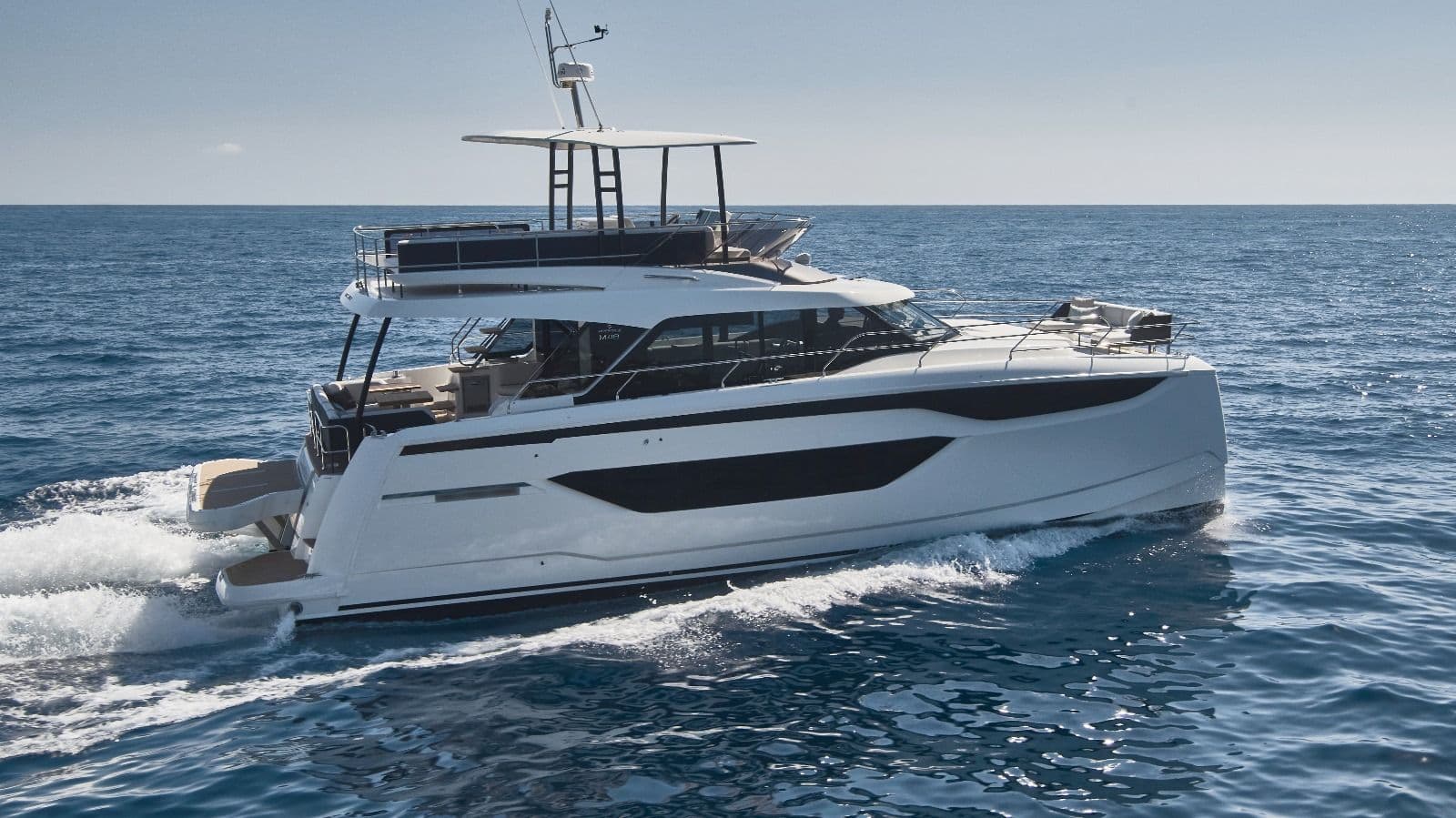
Sailing in Croatia: the sailing areas and where to start
Croatia's coast runs from Istria in the north to Dubrovnik in the south, with more than 1,200 islands in between. Charter yachts are usually rented by the week, Saturday to Saturday, from marina bases, either bareboat or with a hired skipper. For a first week, the sheltered channels around Zadar, Split and Šibenik are the easy start. Kornati, Brijuni and Mljet suit crews who want national parks, while Vis, Lastovo and the one-way run to Dubrovnik suit crews happy with open crossings.
Compare charter yachts from every base on our Croatia page and book them on Ship O'Hoi, bareboat or with a skipper. Each area below has its own guide with a 7-day itinerary and the local rules.
Croatia's sailing areas at a glance
Plan every leg with charts and a pilot book: all distances here are approximate.
| Area | Main bases | Character | Guide |
|---|---|---|---|
| Istria | Pula, Medulin, Pomer, Rovinj | Short legs up the west coast, Brijuni National Park, one open crossing to Unije | Istria from Pula |
| Kvarner | Punat (Krk), Mali Lošinj, Novi Vinodolski | Big wooded islands, legs of 12 to 30 nm, home of the bura | Kvarner: Krk, Cres, Lošinj |
| Zadar archipelago | Sukošan, Zadar, Biograd na Moru | Short legs of 8 to 18 nm in sheltered channels, Telašćica Nature Park | Zadar archipelago and Telašćica |
| Kornati | Murter, Jezera, Biograd na Moru | National park approx. 7 nm from Murter, park buoys, daily boat ticket | Kornati National Park |
| Šibenik and Krka | Šibenik, Skradin, Rogoznica | River trip to Skradin, small islands, very short legs | Šibenik, Krka and Primošten |
| Split, Hvar and Brač | Split, Kaštela, Stobreč, Makarska | Legs of 10 to 16 nm between the big islands, busy harbours | Split to Hvar, Brač and Makarska |
| Trogir, Šolta and Vis | Trogir, Seget Donji | Short hops, then an open crossing of approx. 20 nm to Vis | Trogir, Šolta, Vis and the Blue Cave |
| Split to Dubrovnik | Split, Dubrovnik | One-way week of approx. 140 nm, two parks, legs up to 38 nm | Split to Dubrovnik |
| Dubrovnik | Dubrovnik (Komolac) | Elaphites, Mljet National Park, optional Montenegro | Sailing from Dubrovnik |
Istria
Istria is the gentlest start in the north. From Pula, Medulin or Pomer the first leg is only about 7 nm to Veli Brijun, the port of Brijuni National Park. You may cross the park's waters only to reach that port or the authorised anchorage in front of it, and the Pula Port Authority collects the park's entry fee. Next comes the old town of Rovinj, approx. 12 nm further north, then the Lim bay, a special marine reserve, on the way back south. Cape Kamenjak and Medulin Bay follow, with reefs and shoals on the approach to Pomer. The one leg that needs respect is the open Kvarner crossing of approx. 25 nm to the car-free island of Unije. Our Istria sailing guide from Pula has the full loop; compare yacht charter in Pula and boats in Rovinj.
Kvarner
Kvarner is a bay of big, wooded islands: Krk, Cres, Lošinj and Rab. A week from Punat on Krk runs past the long beach at Baška to Rab, across to Ilovik, the island of flowers, through the harbours of Lošinj and home via Cres. The legs are longer than in Dalmatia, 12 to 30 nm, with one long day from Mali Lošinj to Cres. According to the Croatian weather service DHMZ, the bura is the prevailing wind of the northern Adriatic and blows hardest in the area below the Velebit mountains, so check the forecast every morning and stay in port when a bura warning is out. Bottlenose dolphins live around Cres and Lošinj; keep your distance under the Blue World Institute's code of conduct. The route is in our Kvarner sailing guide; yachts start on Krk and in Mali Lošinj.
Northern Dalmatia: Zadar, Kornati and Šibenik
Northern Dalmatia has three areas side by side. From Sukošan, whose marina calls itself the largest on the Adriatic coast, the Zadar archipelago offers legs of 8 to 18 nm to Ugljan, Iž, Dugi Otok, the white sand of Sakarun and Telašćica Nature Park, where every visitor needs a ticket for each day. Read our Zadar archipelago and Telašćica guide and compare yacht charter in Zadar and Biograd na Moru.
Kornati National Park lies approx. 7 nm from Murter. You need a boat ticket for every day, you may anchor or overnight only in designated bays, and four strict protection zones are closed to visitors. The park's 16 eco mooring sites are free with a valid ticket. See the Kornati National Park sailing guide and the boats in Murter.
From Šibenik you motor up the Krka to Skradin, approx. 9 nm, then hop between the small islands of Zlarin, Prvić, Kaprije and Žirje. Sailing through the St Anthony channel is now banned. Our Šibenik and Krka guide has the week; boats are on the Šibenik page.
Central Dalmatia: Split and Trogir
From Split, or from Marina Kaštela a few miles north-west, the legs between Brač and Hvar are mostly 10 to 16 nm, sheltered by the islands and with the mainland mountains always in sight. A classic week crosses to Milna on Brač, spends a night at Hvar town or the Pakleni Islands, explores Stari Grad bay, stops at Bol and Zlatni Rat and returns along the Makarska Riviera. Midsummer is the busiest time: Hvar harbour sees up to 2,000 arrivals a summer, so arrive early or book a marina berth. The route is in our guide to sailing from Split to Hvar and Brač; see all charter yachts in Split.
Trogir, a UNESCO-listed old town, is the start for the outer islands. After short hops to the Drvenik islands and Šolta comes an open crossing of approx. 20 nm to Vis, then Komiža and Biševo's Blue Cave, which you visit only on the concessionaire's small boats. Read our Trogir, Šolta and Vis guide and compare yachts in Trogir.
Southern Dalmatia: Dubrovnik and the one-way route
The classic one-way week from Split to Dubrovnik covers roughly 140 nm with legs of 17 to 38 nm: Hvar, the walled town of Korčula, Lastovo Nature Park with its park buoy fields, the saltwater lakes of Mljet National Park and the Elaphite islands. Not every yacht or date allows a one-way charter, and a one-way fee may apply, so check with the charter company first. The route works in reverse too. See our Split to Dubrovnik sailing itinerary.
A loop from Dubrovnik is more compact, roughly 95 to 105 nm: the city walls and Lokrum from the sea, the Elaphite islands, Mljet and the harbour town of Cavtat. The base is in Komolac, about 6 km up the Rijeka Dubrovačka inlet from the old town. With the charter company's consent you can add the Bay of Kotor in Montenegro, clearing out at a Croatian maritime border crossing first. Our Dubrovnik sailing guide has both options; compare yacht charter in Dubrovnik.
Before you book a charter week in Croatia
- Licence and VHF: in Croatia you need a recognised licence to skipper a bareboat yacht, however small the engine, and for bareboat also a VHF radio certificate. An ICC valid for coastal waters is accepted; with a hired skipper you need neither. See our guides to the boat licence in Croatia and the ICC certificate.
- Fees the charter company handles: the charter company pays the yacht's navigation safety fee (the vignette) and files your crew list before departure. Tourist tax is charged per person per night and shown separately on the invoice; children under 12 are exempt.
- Park tickets: Kornati, Mljet and Brijuni national parks and the Telašćica and Lastovo nature parks each charge their own boat ticket, usually by yacht length and days. In Kornati, a ticket bought before you enter costs less than one bought inside. Lastovo's buoy fee is paid separately to the rangers.
- Rules at sea: within 300 m of the coast and at harbour approaches the limit is 8 knots, and you may not anchor within 50 m of a beach fence or 150 m of a natural beach. In an emergency call 112 or 195. Our guide to Croatia sailing rules and fees covers the rest, including the new rules for the Krka and Šibenik.
- Bura and jugo: DHMZ describes the bura as a gusty north-easterly and the jugo as a steady, strong south-easterly, more frequent in the middle and south. Both blow more often in the cold part of the year, but a summer bura can still disrupt traffic at sea. Read the DHMZ marine forecast, also published in English and German, every morning.
- Season: the charter season runs roughly from April or May to October. Most ACI marinas in the big towns are open all year, while seasonal ones such as Palmižana, Piškera and Rab open from 1 April to 31 October.
- Greece or Croatia? Compare winds and the best months in our guide to Greece or Croatia.
- Packing: use our list of what to bring on a yacht charter, and send the charter company a preference sheet for provisioning and extras.
FAQ
Where should I sail on my first charter week in Croatia?
Choose short legs and plenty of harbours. The Zadar archipelago, Split with Brač and Hvar, the Šibenik islands and the west coast of Istria all fit. Kvarner works too if you respect the bura. Save the open crossings to Vis and Lastovo for when you have more experience, or take a skipper.
Can I sail one way from Split to Dubrovnik in a week?
Yes. The route covers roughly 140 nm, with legs of 17 to 38 nm, and works in either direction. Not every yacht or date allows it, and a one-way fee may apply, so ask the charter company before you plan.
Do I need a licence to sail in Croatia?
For bareboat, yes: a recognised licence and a VHF radio certificate. An ICC valid for coastal waters is accepted. With a hired skipper you need neither.
When is the best time to go sailing in Croatia?
The season runs roughly from April or May to October. Summer brings settled weather with a north-westerly breeze on the open sea and a daily sea breeze, but also the busiest harbours. In spring and autumn the harbours are quieter, while the bura and jugo come through more often, so keep a spare day in the plan.