Speed Limits at Sea in Norway: What Applies Where?
Speed Limits at Sea in Norway: What Applies Where?
You may have noticed the yellow speed limit signs along the Norwegian coast – but what do they actually mean, and what applies in areas without signs? For many boaters, speed regulations at sea are an unclear territory. Let us clarify.
The General Rule: "Safe Speed"
Unlike on roads, there is no universal speed limit at sea in Norway. Instead, the principle of safe speed from the maritime traffic rules (COLREGS Rule 6) applies. This means you must always maintain a speed that allows you to stop or maneuver in time to avoid a collision.
What constitutes "safe speed" depends on:
- Visibility and weather conditions
- Traffic density
- Your boat's handling characteristics
- Proximity to land, shallows, and obstacles
- Waves and currents
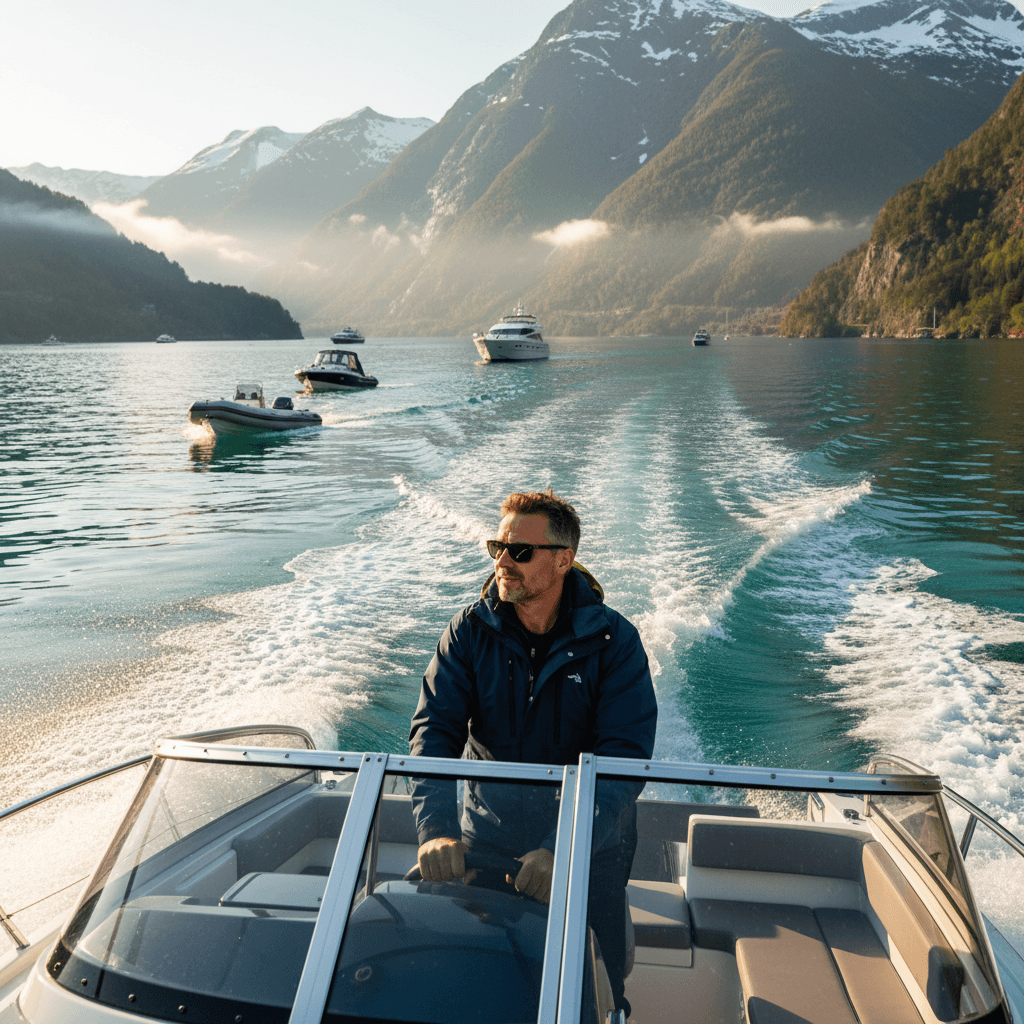
In practice, this means you can go fast in open waters with good visibility but must reduce speed significantly in narrow passages, poor visibility, or near swimmers.
5-Knot Zones
The most well-known speed rule along the Norwegian coast is the 5-knot zone. Many municipalities have established 5 knots as the speed limit within a certain distance from shore – typically 150 meters from the nearest land.
5-knot zones are common:
- In popular swimming areas
- Along docks and piers
- In narrow straits and harbor approaches
- Near anchorages
These zones are typically marked with yellow signs displaying "5" with a knot symbol. Some municipalities have extended the zones to 300 meters or more in particularly sensitive areas.
Harbor Speed
In most Norwegian harbors, the speed limit is 3–5 knots. The exact speed varies by harbor and is posted locally. The basic rule is simple: maintain low speed and minimal wake. You are legally responsible for damage caused by your wake, which can get expensive in a harbor full of moored boats.
Special Regional Rules
Some of Norway's most popular waterways have their own speed regulations:
Oslo Fjord
Inner Oslo Fjord has extensive 5-knot zones, particularly around Bygdøy, Hovedøya, and Gressholmen. During summer, police actively conduct speed checks.
The Southern Coast
Along the popular archipelago from Lillesand to Mandal, many narrow straits have 5-knot limits. Pay special attention in Blindleia.
Bergen and Western Norway
Many narrow straits and fjords have local speed limits. Vågen in central Bergen has a 5-knot limit, and the same applies to several of the straits between the islands.
Trondheim
The channel near Munkholmen and inner harbor areas have strict speed limitations.
Jet Ski Rules
Jet skis have traditionally been subject to stricter rules than other boats. Since 2017, the general ban on jet skis has been lifted, but municipalities can still set local rules. In practice, this means:
- Municipalities can prohibit jet skis in specific areas
- General speed limits apply to jet skis on equal footing with other vessels
- Many municipalities have designated jet ski zones with higher speed limits
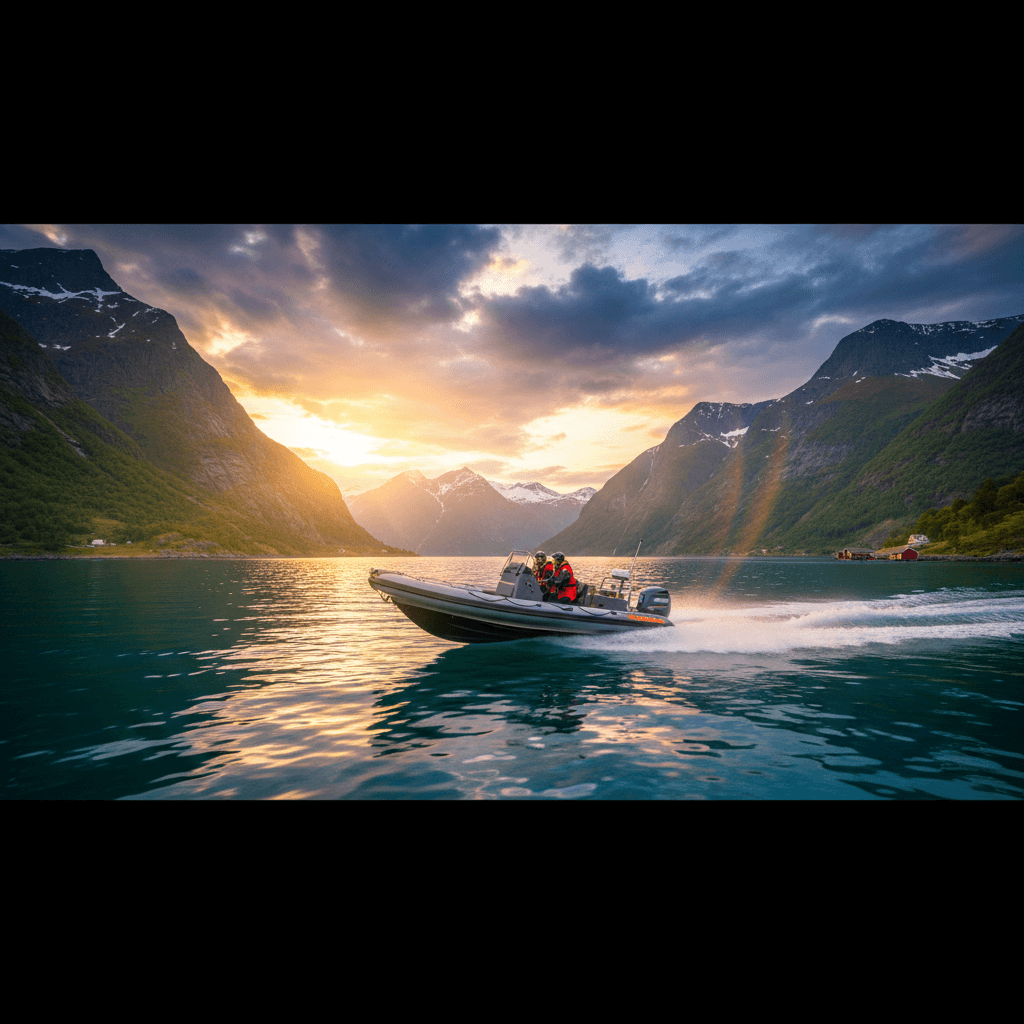
Always check local rules before riding a jet ski. A fast RIB or bowrider is subject to the same general speed rules but typically does not face the additional municipal restrictions.
What Happens If You Speed?
Exceeding speed limits at sea can result in:
- Fines: Typically NOK 3,000–10,000, depending on how much you exceeded the limit
- Criminal charges: In cases of gross violations
- Liability for damages: You are responsible for damage caused by your wake and waves – even outside speed zones
Police use radar and GPS logging during inspections. They can also measure speed visually and through AIS data in areas with traffic monitoring.
Speed and Seamanship
Speed limits are not just about avoiding fines. They are about right of way at sea and good seamanship. High speed means short reaction time and large waves that can be dangerous for kayakers, dinghy sailors, and swimmers.
Pay special attention to:
- Wake: A fast motorboat creates large waves that can capsize small vessels and crash against docks. You are legally liable for damage your wake causes.
- Swimmers: During summer months, many people swim from shore and from boats. Reduce speed when you see people in the water.
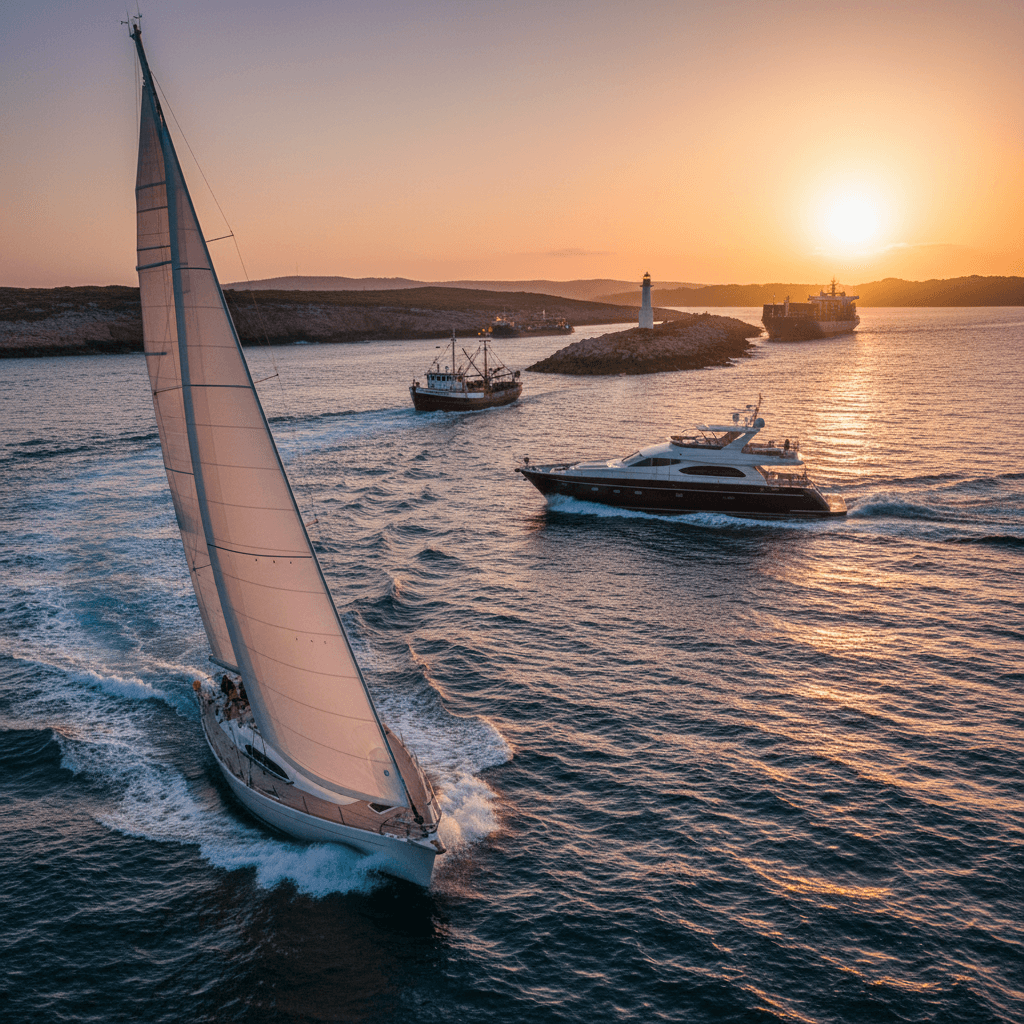
- Sailboats: Sailboats have limited maneuverability. Keep good distance and avoid heavy wake.
- Kayaks and small boats: A kayak sits low in the water and can be difficult to spot. Reduce speed and give them plenty of room.
Tips for a Law-Abiding and Safe Trip
- Check local rules – Before heading out, verify whether there are special speed limits in the area you plan to visit. Speed zone charts are available in most navigation apps.
- Monitor your speed – The GPS on your phone or chart plotter shows your speed. Use it actively.
- Slow down proactively – Reduce speed before entering a zone, not in the middle of it.
- Show consideration – Even at a legal speed, your wake can be a nuisance. Think about good seamanship – it is about more than just rules.
Looking for the right boat? Check out faster boats or calmer sailboats on Ship O'Hoi.