Alcohol Limits at Sea in Norway: Rules, Fines, and Practical Examples
Alcohol Limits at Sea in Norway: Rules, Fines, and Practical Examples
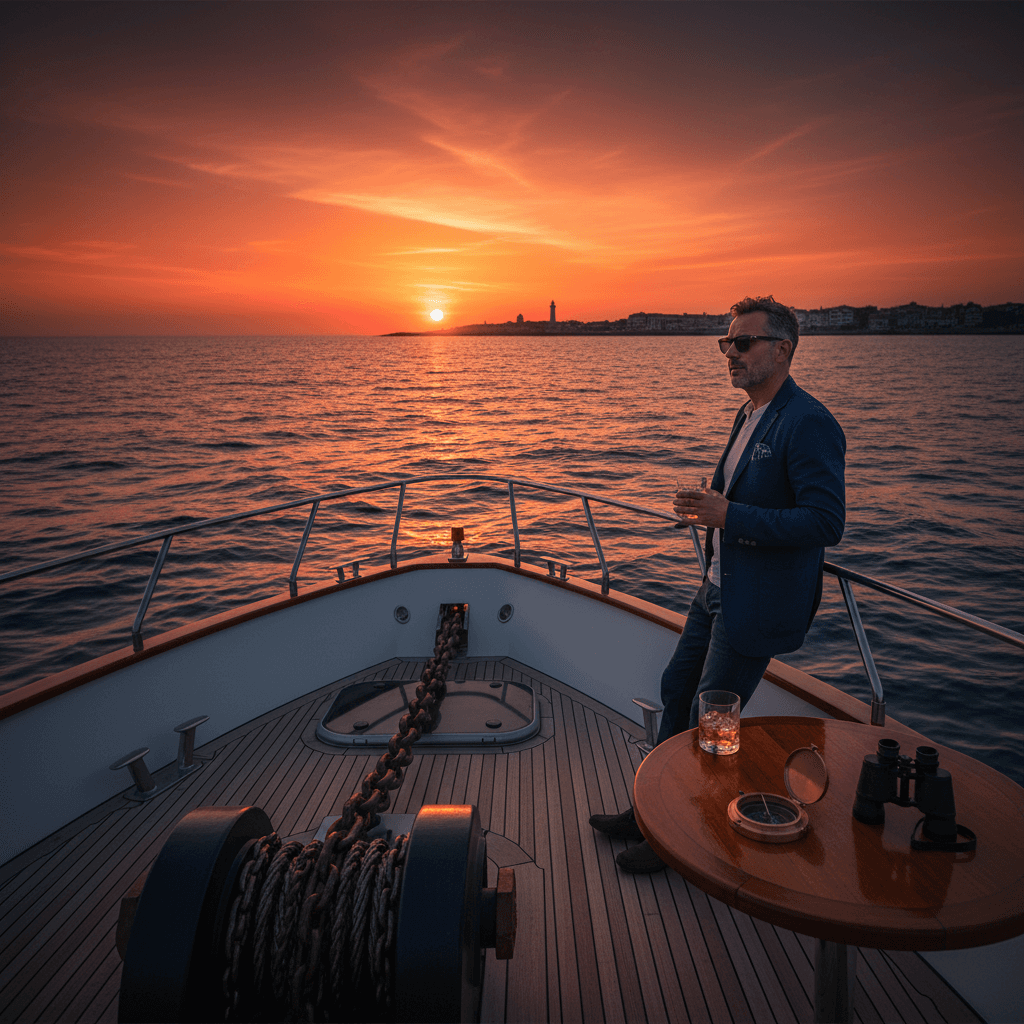
A cold beer in the cockpit while the sun warms the deck – it is a scene many associate with Norwegian boating culture. But what does the law actually say about alcohol on the water? Let us clear up the rules so you can enjoy your boat trip with confidence and a clear conscience.
The Blood Alcohol Limit for Recreational Boats
In Norway, the blood alcohol concentration (BAC) limit for operators of recreational boats is 0.8 per mille (0.08%). This applies to anyone operating a boat for leisure purposes.
The 0.8‰ limit is higher than the limit for driving a car (0.2‰), but this does not mean alcohol at the helm is safe. Many maritime accidents involve alcohol, and even moderate amounts impair reaction time, balance, and judgment – all critical factors on the water.
The Limit for Commercial Vessels
If you are operating a vessel commercially (transporting passengers or cargo for hire), the limit drops to 0.2 per mille – effectively a total prohibition, identical to driving a car in Norway.
How Much Can You Actually Drink?
Here are some practical examples for an average person weighing 80 kg (175 lbs):
What you drink | Approximate BAC | Under the limit?
1 pint of beer (4.7%) | approx. 0.3‰ | Yes
2 pints of beer | approx. 0.6‰ | Yes, but approaching
3 pints of beer | approx. 0.9‰ | No
1 glass of wine (150 ml) | approx. 0.2‰ | Yes
2 glasses of wine | approx. 0.5‰ | Yes
1 spirit (40 ml) | approx. 0.2‰ | Yes
Important: These figures are approximate and vary with body weight, gender, food intake, and time. Women generally reach higher BAC levels from the same amount of alcohol. When in doubt, do not operate the boat.
Who Counts as the "Operator"?
The BAC limit applies to the person operating the boat – the one at the helm or steering the sailboat. Passengers have no BAC limit.
However, there is an important nuance: if you are the only person on board capable of operating the vessel, police can argue that you are the "operator" even if you are not currently at the wheel. If you are alone on a motorboat, you are by definition always the operator.
Fines and Penalties
The consequences of exceeding the limit at sea can be severe:
0.8–1.0‰: A fine, typically NOK 10,000–30,000 based on income.
1.0–1.5‰: Higher fines and potential conditional imprisonment. You may also lose the right to operate a boat for a period.
Above 1.5‰: Unconditional imprisonment is a real possibility, along with substantial fines and loss of operating rights.
In the event of an accident while over the legal limit, your insurance company may partially or fully reject your claim. This can be extremely costly.
Police Checks on the Water
The police and the Norwegian Maritime Authority conduct regular checks throughout the summer, especially in popular waters around the Oslo Fjord, along the southern coast, and in the Bergen area. Checks may include:
- Breathalyzer test
- Boat license verification
- Safety equipment inspection (life jackets, fire extinguisher, etc.)
When stopped, you are legally obligated to comply with the breathalyzer test.
Practical Tips for Safe Boating
- Designate a sober skipper – Just like a designated driver on land. Agree in advance who will drive the boat home.
- Save the drinks for the harbor – Enjoy the water first, have your beer once you are safely moored.
- Watch out for the morning after – Your BAC can still be elevated the morning after heavy drinking. Many people are caught heading out of the harbor in the morning.
- Alcohol + sun + sea = dangerous – Heat and dehydration amplify alcohol's effects. You become impaired faster than on land.
- Think about safety – Read about right of way at sea and children on board – sober judgment is especially important around other boats and vulnerable passengers.
Comparison With Neighboring Countries
Country | Recreational | Commercial
Norway | 0.8‰ | 0.2‰
Sweden | 0.2‰ | 0.2‰
Denmark | No fixed limit* | 0.5‰
Finland | 1.0‰ | 0.2‰
*In Denmark, you can be penalized for operating a boat in an "intoxicated state" without a fixed BAC threshold.
Norway falls in the middle among Nordic countries. But sea safety is about more than the letter of the law – it is about good seamanship. Check out our guide to the Norwegian Sea Safety Rules for more tips on safe boating.
Enjoy the Water – Safely
The rules exist to protect you, your passengers, and everyone else on the water. Planning a boat trip with friends? Agree on who will be the skipper, enjoy the ride, and save the celebrations for when you are safely tied up in the harbor. Have a great trip!