The Norwegian Sea Safety Rules Explained: The Short Version You Will Actually Remember
The Norwegian Sea Safety Rules Explained: The Short Version You Will Actually Remember
The Sea Safety Rules (Sjøvettreglene) are Norway's "people's code" for safe boating. Created by the Norwegian Maritime Authority and the Norwegian Society for Sea Rescue, they give boaters – from experienced sailors to complete beginners – a simple safety checklist. Yet despite being short and straightforward, a surprising number of people cannot recite them.
Here are all nine rules – with practical explanations and tips you can actually bring with you on the water.
The 9 Sea Safety Rules
1. Know How to Swim
The first rule is the most fundamental: Everyone who spends time on the water should be able to swim. This does not mean you need to be an Olympic swimmer, but you should be able to stay afloat and swim a reasonable distance – even in cold water and with clothes on.
Planning a trip with children or others who are not confident swimmers? Ensure extra attention and flotation equipment. Read our guide on rules for children on board for more information.
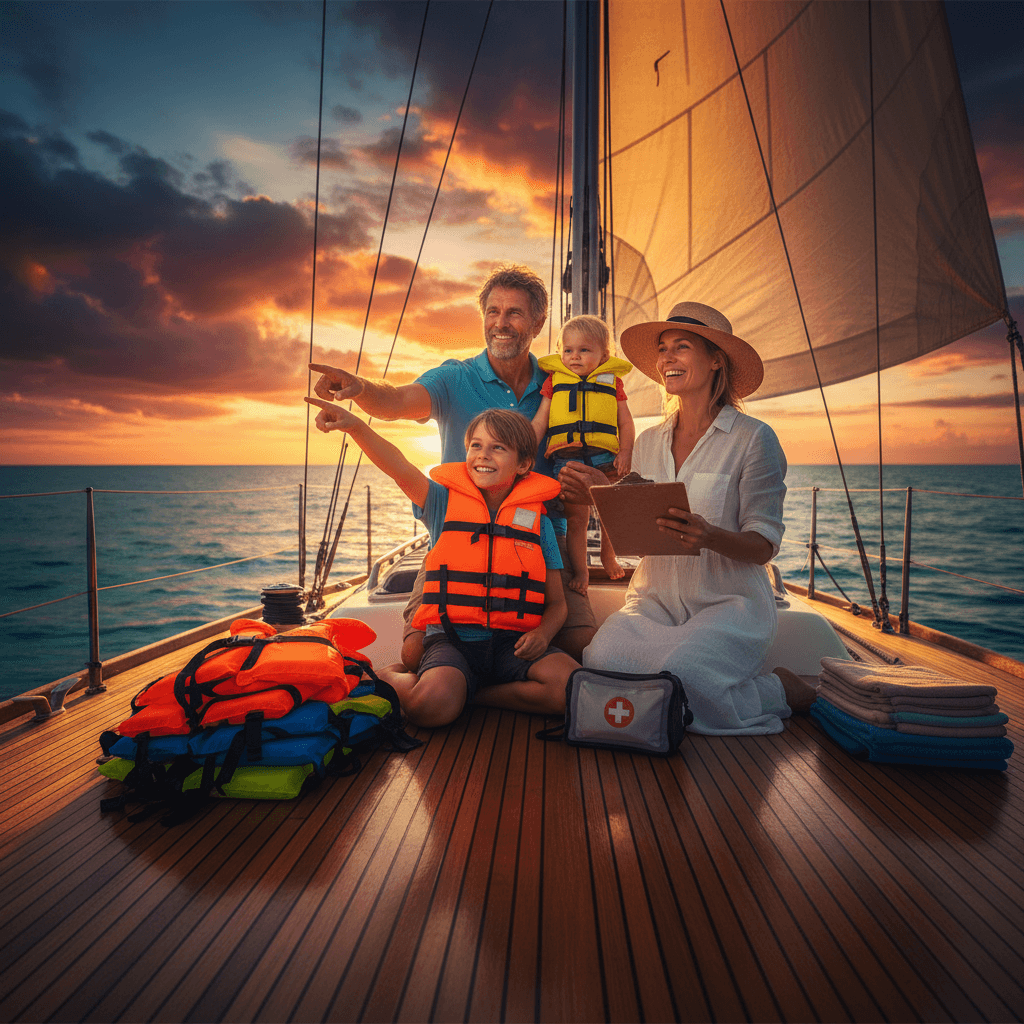
2. Wear Flotation Equipment
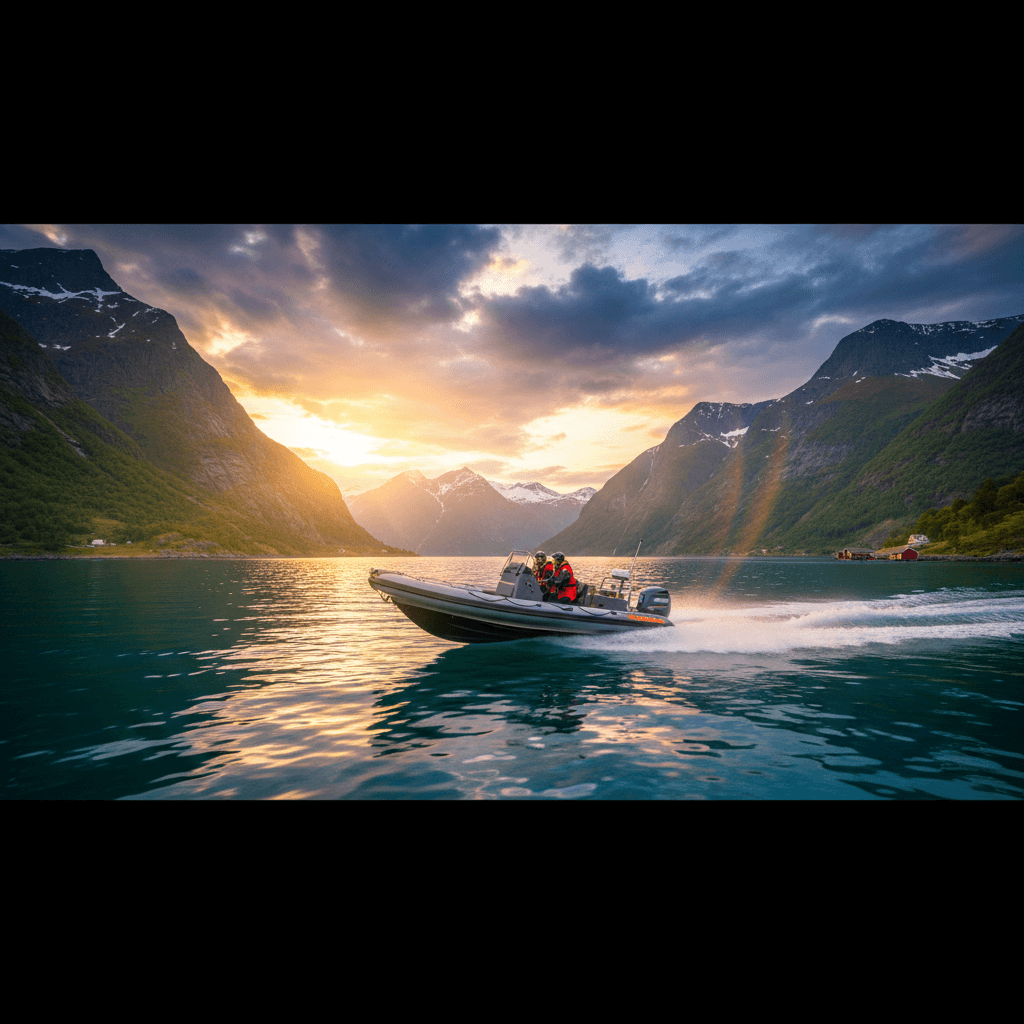
Always wear a life jacket or flotation device. This is the most important point of the Sea Safety Rules – and the one that saves the most lives. The statistics are grim: most drowning victims from small boats were not wearing a life jacket.
Modern life jackets are light and comfortable. Inflatable models are available that you barely notice wearing. Read more about life jacket rules for details on types and requirements.
3. Check Weather and Wind Before Departure
Always check the weather forecast before heading out. Yr.no and the Norwegian Meteorological Institute provide reliable forecasts, and many navigation apps include built-in weather information. Pay special attention to:
- Wind strength and direction
- Wave height
- Visibility (fog)
- Storm warnings
A calm morning can quickly become a stormy afternoon. If you have a small dinghy or kayak, you are especially vulnerable to weather changes.
4. Tell Someone Where You Are Going and When You Expect to Return
Share your travel plan. Tell someone on land where you are heading, your planned route, and when you expect to return. If something happens, rescue crews will know where to search.
Tip: Use the SafeTrx app from the Norwegian Society for Sea Rescue. It logs your trip and automatically alerts contacts if you do not return by the planned time.
5. Show Consideration on the Water
Show consideration and good seamanship. Keep low speed near shore, swimming areas, and moored boats. Respect others' right to a peaceful experience on the water. This includes understanding right of way and managing your wake.
6. Stay Sober
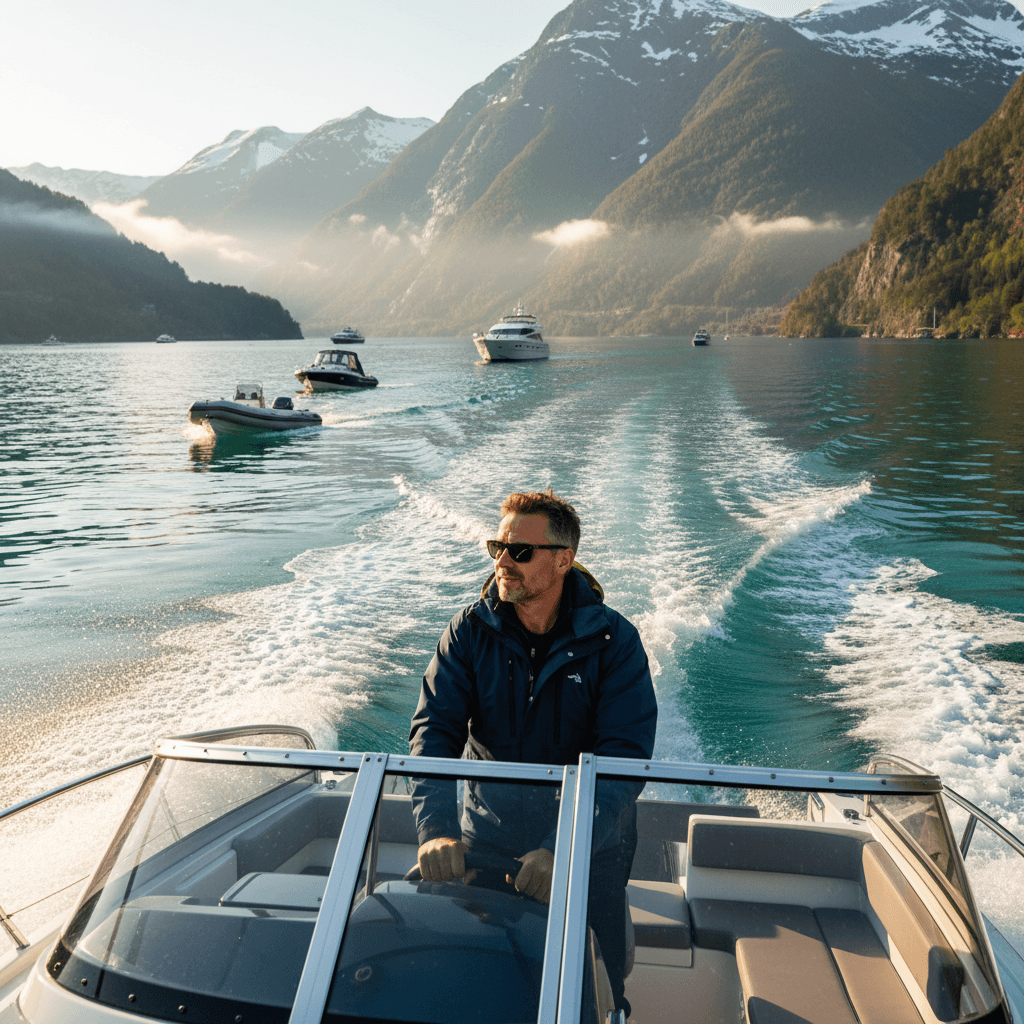
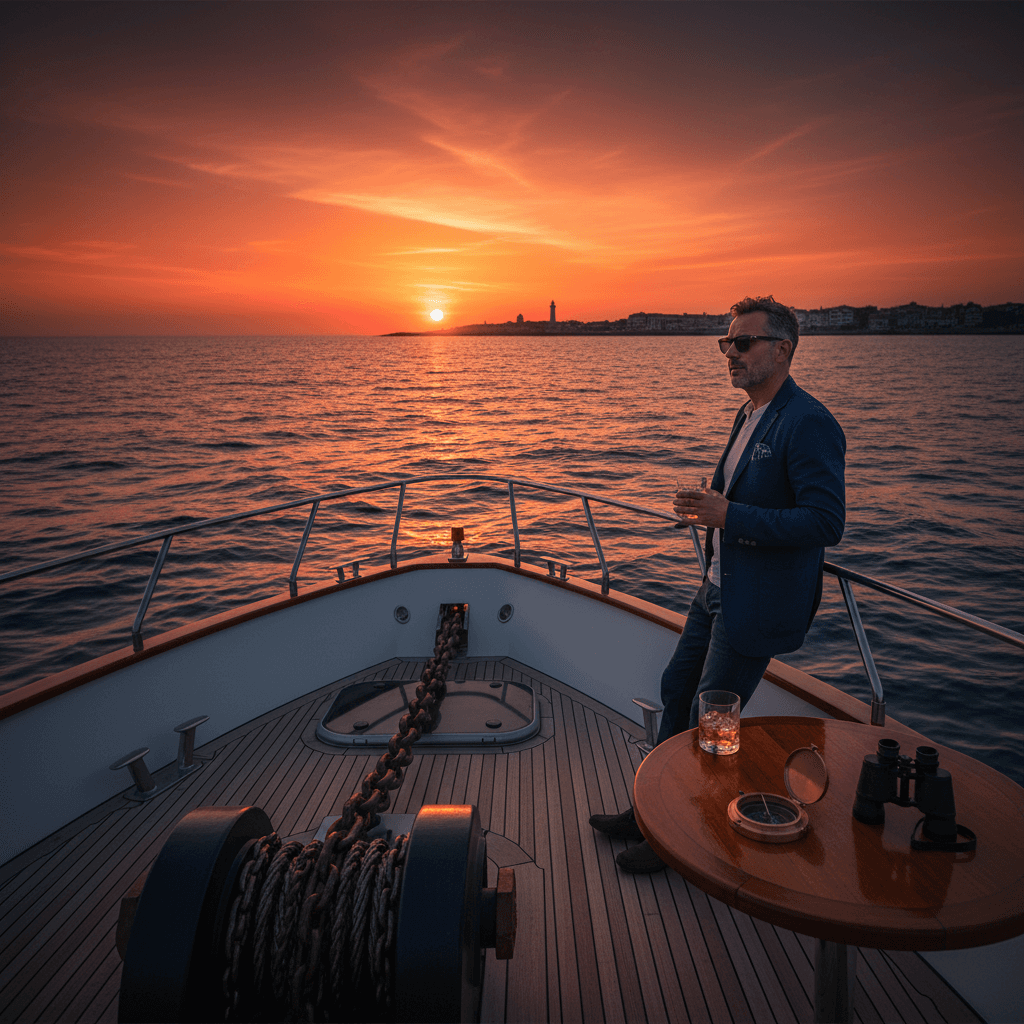
The boat operator should always be sober. Alcohol reduces reaction time, balance, and judgment. Norway has a BAC limit of 0.8‰ for recreational boats, but the safest approach is to wait with alcohol until you are in the harbor. See our article on alcohol at sea for details.
7. Carry Necessary Safety Equipment
Have safety equipment on board and know how to use it. The minimum list includes:
- Life jackets for everyone on board
- Fire extinguisher
- Bailer or bilge pump
- Distress flares (for coastal waters)
- First aid kit
- VHF radio (recommended)
When you rent a boat through Ship O'Hoi, the owner should ensure that safety equipment is on board. But always check for yourself before departure!
8. Know and Follow the Maritime Traffic Rules
Learn the maritime traffic rules and follow them. Right of way, lights, markers, and signals are fundamental knowledge for everyone on the water. If you have a boat license, you have already studied this – but a refresher never hurts. See our guide to right of way at sea.
9. Do Not Overload the Boat
Do not load the boat beyond its capacity. Every boat has a maximum capacity for weight and number of passengers. Overloading makes the boat unstable and can lead to capsizing. Be particularly careful with small boats and jet skis – they often have lower capacity than you might expect.
Why the Sea Safety Rules Matter
Every year, approximately 80–100 people drown in Norway, and a significant proportion of these accidents occur from recreational boats. Common factors in these accidents include:
- Failure to wear a life jacket
- Alcohol impairment
- Bad weather without adequate preparation
- Lack of knowledge about the boat's limitations
The Sea Safety Rules address all of these points. They are not laws, but they are recommendations based on decades of experience and accident statistics.
A Mini Checklist Before Leaving the Dock
Here is a simplified version you can save on your phone:
- Check the weather forecast
- Tell someone where you are going and when you will return
- Verify that everyone has a life jacket
- Check fuel, oil, and safety equipment
- Designate a sober operator
- Mentally review the right-of-way rules
- Have a phone with battery life and emergency numbers ready (113 for the Joint Rescue Coordination Centre)
Rent Safely With Ship O'Hoi
Whether you rent a kayak for a quiet paddle, a jet ski for high-speed fun, or a spacious boat for the whole family – the Sea Safety Rules apply to everyone. Make them a habit, and the sea becomes a safer place for all.