Life Jacket Rules in Norway: Everything You Need to Know
Life Jacket Rules in Norway: Everything You Need to Know
The life jacket is the single most important piece of safety equipment you have on the water. Yet every year, people drown in Norway who had their life jacket lying in the boat – but not on their body. Here is a complete overview of the rules, the types, and the best advice for keeping yourself and your loved ones safe.
When Are Life Jackets Required?
Norwegian law distinguishes between children and adults:
Children Under 16 Years
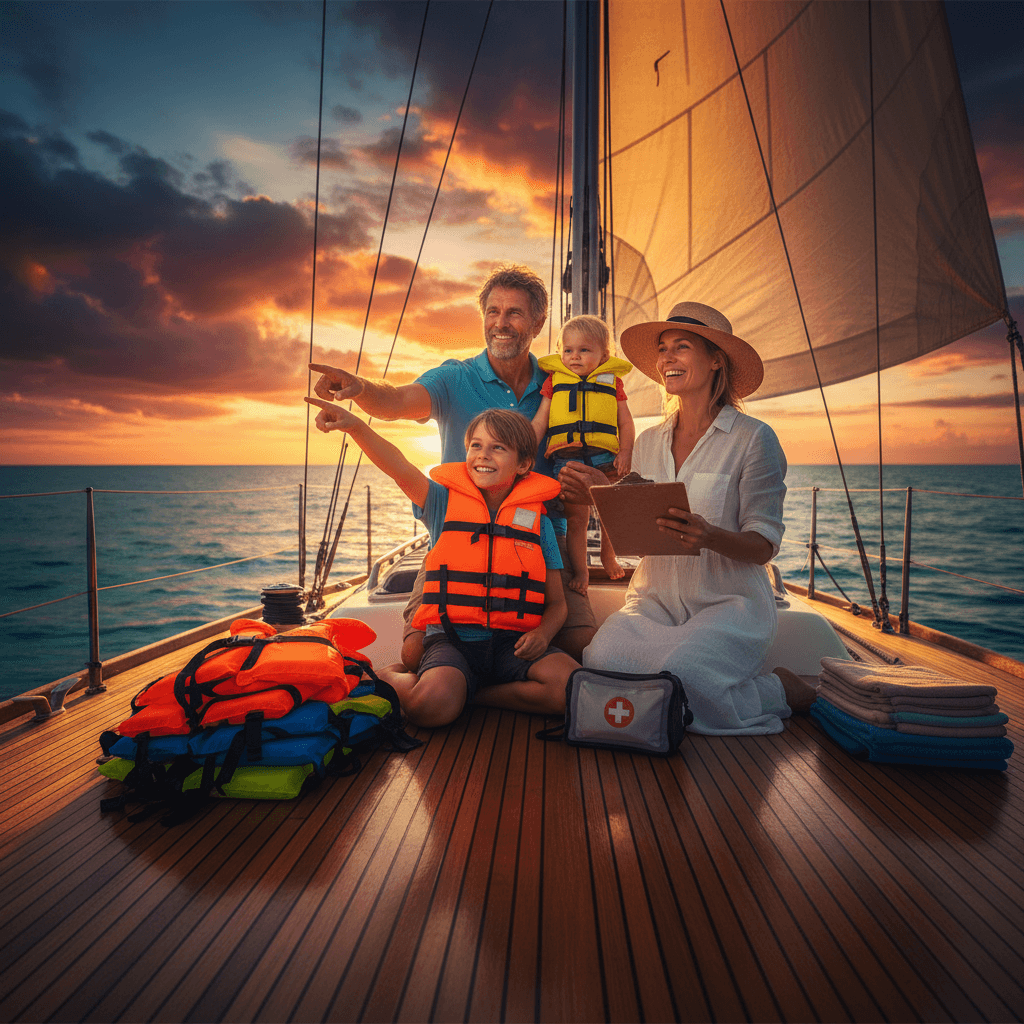
It is legally required for children under 16 to wear a life jacket or other approved flotation device in open boats under 8 meters. This applies:
- When the boat is in motion
- When children are on deck
- In all types of open small boats, including dinghies, RIBs, and bowriders
Adults (16 Years and Older)
For adults in recreational boats, there is no general legal life jacket requirement in Norway. However, it is strongly recommended by the Norwegian Maritime Authority, the Norwegian Society for Sea Rescue, and every maritime safety organization.
This does not mean adults can take the life jacket lightly. The statistics are crystal clear: the vast majority of drowning victims from recreational boats in Norway were not wearing a life jacket.
Special Situations
- Jet ski: Wearing an approved life jacket is mandatory for everyone riding a jet ski.
- Kayak: There is no general legal requirement for life jackets in kayaks, but it is strongly recommended. Many paddling clubs require them, and it is common sense.
- Regattas and organized events: Organizers can set life jacket requirements that participants must follow.
Types of Flotation Equipment
There are several categories, and understanding the differences is important:
Lifejacket (150 N and above)
- Turns an unconscious person onto their back in the water
- Collar that keeps the head above water
- Recommended for open sea and poor conditions
- Available as solid foam or inflatable
Buoyancy Aid (50–100 N)
- Provides buoyancy but does not necessarily turn an unconscious person
- Lighter and more comfortable for active use
- Suitable for sheltered waters near land
Flotation Garment (50 N)
- Minimal buoyancy
- Designed for use near shore in warm water
- Not suitable for most boating situations
Inflatable Life Jackets
Modern inflatable life jackets (150 N+) are a popular choice because they are:
- Lightweight and comfortable to wear
- Discreet under clothing
- Automatic (inflate on contact with water) or manual
Important: Inflatable jackets require maintenance. The CO₂ cartridge and trigger mechanism must be checked regularly. A worn-out cartridge saves no one.
How to Choose the Right Life Jacket
For Adults
- Intended use: Open sea? Choose 150 N. Sheltered waters? 100 N may suffice.
- Fit: The jacket should be snug without restricting movement. Adjust the straps and test.
- Comfort: A jacket you find uncomfortable is one you will not wear. Try multiple models.
- Type: Inflatable for comfort, solid foam for reliability.
For Children
See our detailed guide on children on board for specific recommendations by age group. The key points:
- Always with a crotch strap (prevents the jacket from slipping over the head)
- Collar to keep the head above water
- Test the jacket in water before the first trip
CE Marking and Approval
All life jackets sold in Norway must be CE marked in accordance with the EN ISO 12402 standard. The marking indicates:
- Buoyancy force in Newton (50 N, 100 N, 150 N, 275 N)
- Weight class for the user
- Intended use (inshore, offshore, etc.)
Do not use old, unapproved jackets. Materials degrade over time, and an old jacket may not provide the buoyancy it promises.
Maintaining Your Life Jacket
A life jacket is only as good as its maintenance:
- Rinse with fresh water after use in saltwater
- Dry hanging – not in a tumble dryer
- Check stitching and straps for wear
- Inflatable models: Inspect the CO₂ cartridge and trigger mechanism at least once per season. Replace the cartridge after use or if it is worn.
- Replace the jacket if it is damaged, sun-bleached, or more than 10 years old
Life Jackets for Different Activities
Motorboat and sailboat: A boat trip on a motorboat or sailboat calls for a good all-round jacket. A 150 N inflatable is the most popular choice for adults.
Kayak: In a kayak, you need a jacket that provides freedom in the shoulders and arms. Specially designed paddling vests with a short cut are ideal.
Jet ski: On a jet ski, use a jacket that fits extra snugly, preferably a competition-style vest designed to withstand high speeds and falls.
Fishing: When fishing from a small dinghy, a comfortable jacket with pockets and D-rings for equipment is practical.
Frequently Asked Questions
Do I need a life jacket when renting a boat? When you rent a boat through Ship O'Hoi, approved life jackets for everyone on board should be included. Check that the jackets fit and are in good condition when you board.
Can I use my own life jacket? Yes, and it is often preferable. Your own jacket is one you have tested, it fits, and you are comfortable in it.
What is the difference between a lifejacket and a buoyancy aid? A lifejacket (150 N+) turns you onto your back and keeps your head above water even if you are unconscious. A buoyancy aid (50–100 N) provides buoyancy but does not guarantee it will turn you.
Do I need a jacket in a closed cabin? No, the life jacket requirement for children applies in open boats. In the cabin of a cabin cruiser, children do not need to wear the jacket. But have it ready – and put it on as soon as children go on deck.
The Most Important Rule
Regardless of what the law says: Have the life jacket ON – not in the bag, not under the seat, not in a closed compartment. ON. It takes seconds from being in the water to losing the ability to act – especially in cold Norwegian waters. A jacket you are wearing saves lives. A jacket in the boat does not.
Read more about safe boating in our guide to the Sea Safety Rules and rules for children on board. Have a safe and wonderful trip!