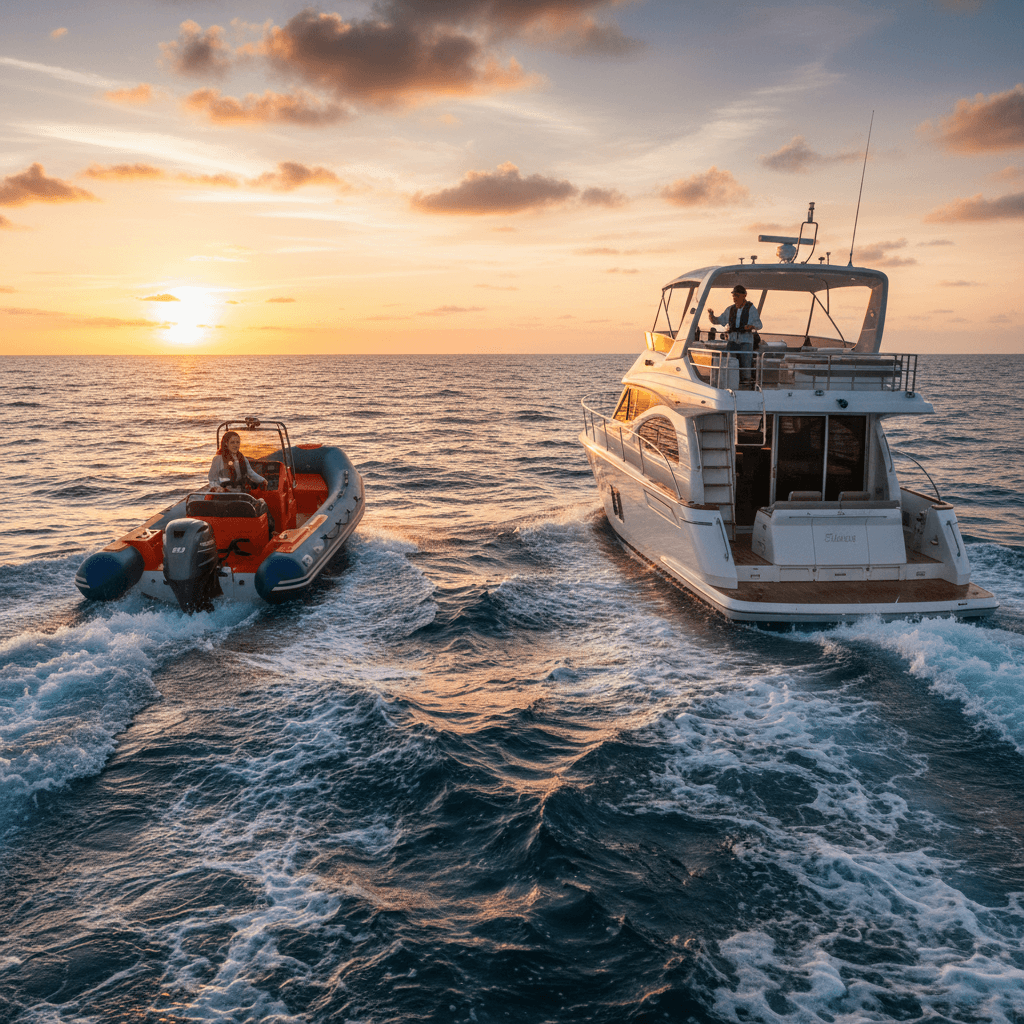
Small Boat vs Larger Boat — Which Is Safest for Beginners?
Small Boat vs Larger Boat — Which Is Safest for Beginners?
One of the most common questions from first-time renters is: "Should I choose a small or large boat?" The answer is not as simple as you might think. In this article, we compare the pros and cons of different sizes so you can make an informed choice.
Overview: Size Categories
Category | Length | Examples | License Required
Small | Under 15 ft | Dinghy, small RIB | Often not required
Medium | 15–24 ft | Daycruiser, bowrider | Recommended/required
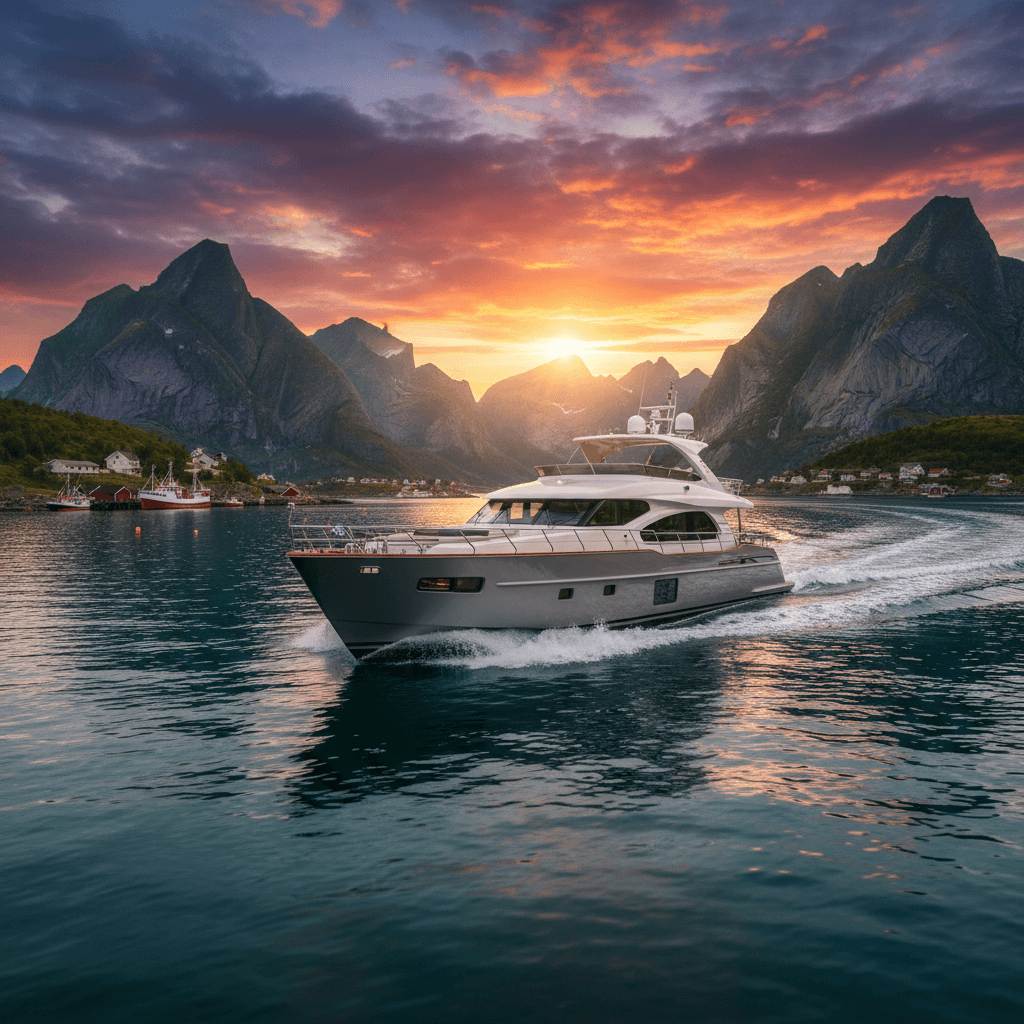
Large | Over 24 ft | Cabin cruiser, sailboat | Required
Small Boats (Under 15 ft)
Pros:
- Easy to maneuver and moor
- Low fuel costs
- Often no license required
- Lower rental price
- Perfect for sheltered waters
Cons:
- Less stable in waves and wind
- Limited space and comfort
- Not suitable for longer trips
- More exposed to weather
- Little storage space
See available dinghy options on Ship O'Hoi.
Medium Boats (15–24 ft)
Pros:
- Good balance between stability and maneuverability
- Room for 4–8 people
- Comfortable for day trips
- Moderate fuel consumption
- Suitable for most coastal waters
Cons:
- Requires basic boating experience
- Higher rental and fuel costs than small boats
- Can be challenging to moor in tight harbors
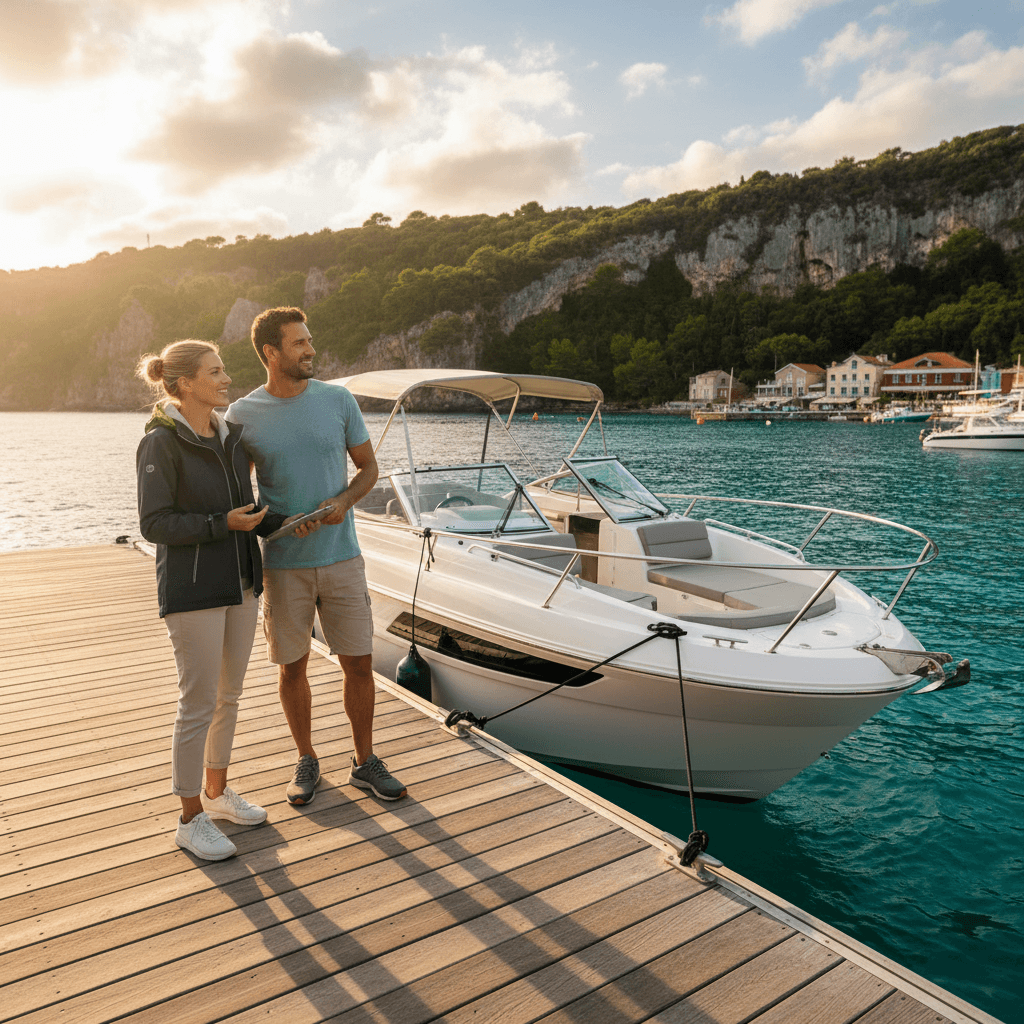
A daycruiser of 18–22 ft is often the ideal choice for beginners who want comfort without too much complexity.
Large Boats (Over 24 ft)
Pros:
- Very stable, even in bad weather
- Plenty of space and comfort
- Suitable for overnight trips
- Better sea-keeping qualities
- Often equipped with advanced navigation
Cons:
- More difficult to maneuver for beginners
- High fuel costs
- Requires experience and a license
- More expensive to rent
- Difficult to moor without practice
Cabin cruisers are fantastic for experienced boaters but are rarely recommended for first-time renters without a skipper.
So What Is Safest?
The answer depends on the conditions:
In sheltered waters (lakes, inner fjords): A small boat is safe and easy to handle. A dinghy or small bowrider gives you good control.
In open waters (coast, outer fjords): A medium-sized boat is safer. The stability and sea-keeping qualities compensate for the extra complexity.
For families with children: Medium-sized boats offer the best balance between safety and space. Look for models with high railings and easy boarding.
Our Recommendation for Beginners
For most beginners, we recommend a medium-sized daycruiser (18–22 ft). It provides:
- Enough stability to feel safe
- Good space for family or friends
- Simple enough to maneuver with some guidance
- Moderate fuel consumption
Start with a short trip (half day) to get familiar with the boat before planning a full-day excursion. Read our step-by-step guide for first-time renters for a complete walkthrough of the booking process.
Also see our article on what it costs to rent a boat for pricing that fits your budget.